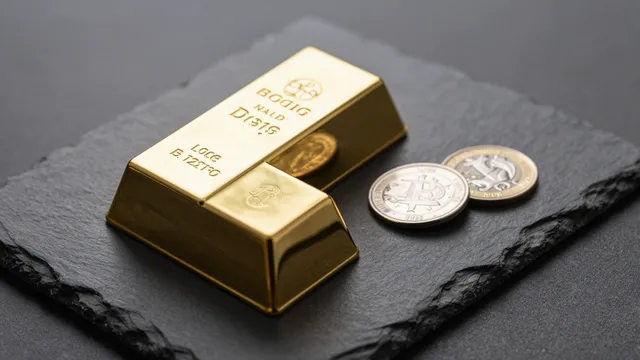
Gold, crypto, and stocks are not three flavours of the same investment. They answer different questions: gold often acts as a diversifier when macro risk rises, stocks carry long-run growth and income, crypto brings asymmetric upside with brutal drawdowns. Most beginners mash them together because they all appear on one broker app. This guide places each asset in a UK portfolio, compares risk and tax treatment, and gives allocation bands you can sanity-check before the next headline pushes you into a trade.
TL;DR: Stocks are the growth engine, gold is the macro stabiliser, crypto is the high-risk satellite. They overlap in stress (crypto can trade like a risk asset), so “diversified” on paper may not be diversified in a crash. Use ISAs for listed stocks and gold ETFs where possible; keep crypto sizing small enough to survive a 50-70% drawdown. Review overlap with a portfolio screenshot, not vibes.
Investofil’s AI advisor sees the same pattern daily: five positions across three apps that all sell off together when the dollar spikes. This article is the framework behind those answers.
What each asset is for
Gold
Gold is a long-duration store-of-value asset with deep central-bank and ETF demand. It pays no coupon; you hold it for diversification and crisis behaviour, not income. In UK portfolios, access is usually via ETFs, ETCs, or miners inside a Stocks and Shares ISA.
Stocks
Listed equities are ownership in businesses. You take earnings growth, dividends (variable), and full equity beta. For most UK beginners, stocks (often via global index funds) are the core wealth-building sleeve inside an ISA or pension.
Crypto
Bitcoin and other tokens are digital bearer assets on networks with fixed or programmatic supply rules. They can decorrelate in calm periods but have repeatedly correlated with equities in acute selloffs. Tax and record-keeping in the UK are stricter than for ISA-wrapped stocks.
Side-by-side comparison
DimensionGoldStocksCrypto
Primary roleHedge / diversifierGrowth + incomeAsymmetric upside Typical volatilityModerateMarket-dependentVery high IncomeNoneDividends possibleUsually none (staking varies) **UK ISA-friendly?**ETFs/miners yes; physical noYes (listed shares/funds)Generally no Beginner complexityLow via ETFsLow via index fundsHigh (custody, tax logs)
How they behave under stress (why overlap matters)
Gold has repeatedly held or gained in several modern crises while equities fell. Bitcoin has, at times, sold off alongside tech stocks when liquidity tightened. That means a portfolio of “S&P 500 ETF + Bitcoin + gold miners” may still be one big bet on risk appetite.
Practical check: if everything in your screenshot is green on risk-on days and red on risk-off days, you have correlation risk, not diversification. Ask the Investofil AI advisor: “What is my portfolio correlation if the dollar rallies 5%?”
UK tax wrappers in one pass
- ISA (£20,000/year in 2026/27): Stocks and gold ETFs fit naturally. See our ISA allowance 2026 guide for subscription limits.
- Pension: Long-horizon stock funds; some gold exposure possible via funds depending on provider.
- Crypto: Typically taxable on disposal; keep exchange CSVs. Not a substitute for ISA planning.
Illustrative allocation bands (not prescriptions)
These bands are education frames, not personalised advice. Adjust for age, liabilities, and cash needs.
Conservative (capital preservation bias)
- Stocks: moderate via global funds (core)
- Gold: 5-12% via ETF
- Crypto: 0-2% optional satellite or zero
Balanced
- Stocks: core
- Gold: 5-8%
- Crypto: 2-5% if you accept drawdowns
Growth / high risk tolerance
- Stocks: core growth tilt
- Gold: 3-5% tail hedge
- Crypto: 5-10% with strict sizing rules
Compare with our gold vs Bitcoin 2026 piece for crypto-gold interaction detail.
Order of operations for new UK investors
- Emergency cash outside markets.
- Workplace pension if matched.
- ISA stocks core using the annual allowance.
- Gold ETF slice inside ISA if you want metal exposure.
- Crypto last, sized so a deep drawdown does not force a fire-sale of bills money.
Where silver fits
Silver is a metals satellite, not a substitute for this three-way frame. If you are comparing precious metals only, read gold vs silver for new investors before sizing a metals bucket.
Seven mistakes we see in screenshots
- Calling crypto a “hedge” because gold is a hedge.
- Maxing ISA with cash while holding crypto in taxable accounts without records.
- Duplicate gold exposure (ETF + miners + tokenized gold on exchange).
- Zero stock core but 80% crypto because “stocks are boring.”
- Ignoring the April ISA deadline while trading altcoins.
- Using leverage on any of the three without a written loss limit.
- Rebalancing never - letting winners become accidental concentration.
Liquidity and behaviour (the hidden difference)
Listed stocks and gold ETFs typically trade in deep markets during exchange hours. You can usually exit a position in minutes at a visible price, minus spread. Physical gold is slower: shipping, authentication, and dealer buyback take time. Crypto liquidity varies by token and exchange; altcoins can gap violently on thin order books.
Behaviourally, crypto’s 24/7 market trains reactive trading. Stocks’ session boundaries create natural pauses. Gold ETFs sit in between. Match the asset to the behaviour you want to encourage, not the excitement you crave.
Income and compounding paths
Stocks can pay dividends that reinvest inside an ISA tax-free. Gold pays nothing while you hold it; return comes purely from price change. Crypto generally has no dividend, though staking introduces platform risk and tax complexity. If you need cash flow soon, stocks (or cash) lead; if you want a non-yielding diversifier, gold fits; if you want speculative upside, crypto is the satellite.
Life-stage sketches (illustrative)
Early career, high human capital: heavier stock ISA contributions, small gold slice, crypto experimental only if net worth can absorb loss.
Mid career, mortgage and dependents: larger emergency fund, steadier stock core, gold as stabiliser, crypto capped.
Pre-retirement: volatility reduction often matters more than moonshots; gold may rise as a share of alternatives bucket, crypto often trimmed.
These sketches are starting points for conversation with the AI advisor, not mandates.
Quarterly review script (15 minutes)
- Export or screenshot holdings.
- Label each position: gold / stock / crypto.
- Check percentages vs your target bands.
- Note upcoming ISA/LISA subscriptions.
- Ask one macro question to the AI advisor tied to your largest risk (rates, dollar, halving cycle).
Reviewed by: Edu Go Su, Investofil research desk.Data integrity: Role descriptions and UK wrapper notes align with GOV.UK ISA guidance and Investofil’s published gold/crypto research as of July 2026. Allocation bands are illustrative examples, not recommendations.
Frequently asked questions
Should I own gold, crypto, and stocks at the same time?
Many investors do, but for different roles: stocks for core growth, gold for diversification, crypto as a small satellite. The error is sizing crypto like gold or skipping stocks entirely.
Which asset is best for beginners?
Listed stocks via diversified funds inside an ISA are the usual starting core. Gold ETFs are the simpler metals entry. Crypto demands the most custody and tax discipline.
Does gold replace bonds?
Not exactly. Gold behaves differently from high-quality bonds. Some investors hold both; others use gold when they want non-sovereign diversification.
Why does Bitcoin sometimes fall with stocks?
Liquidity crunches hit risk assets together. Bitcoin’s safe-haven narrative is contested in short-term stress events.
How much crypto is too much?
If a 50-70% drawdown would change your life plans or force you to sell, it is too much. Size so you can hold through volatility.
Can I put all three in one ISA?
Stocks and gold ETFs yes, within the £20,000 subscription limit. Crypto generally stays outside ISAs on UK platforms.